Powered by

You don’t have to carry it alone.
Caregiver Connections is a free, peer-led trauma-informed lifestyle program for family caregivers — healing from caregiver trauma, compassion fatigue, disenfranchised grief, and the wounds of adverse childhood experiences. Grounded in real trauma science, and open to you wherever you are in the world.
Someone should ask how you are.
Taking care of people who are taking care of others.
Family caregivers in the U.S.
63million
Americans provided ongoing care for an adult or a child with a complex medical condition or a disability in the past year.
Nearly 1 in 4
U.S. adults
Up 20 million in ten years
2015
2025
$7,200
a year out of pocket
The average caregiver’s own spending on caregiving expenses.
~1 in 2
hit a major financial blow
Taking on debt, stopping savings, or being unable to afford food.
40+ hrs
of care a week
Nearly 1 in 4 caregivers. One-third have been at it for five years or more.
13M+
struggle to care for their own health
1 in 5 caregivers report fair or poor health. Emotional stress has risen since 2020.
1 in 3
are also raising children
The “sandwich generation” — 47% among caregivers under 50.
11%
have had medical training
Yet over half manage complex tasks like injections, wound care, or medications.
You can’t remember the last time anyone asked how you are doing. You feel responsible for how someone else’s whole day goes. Resting — even in your mind — feels like abandoning them. You’re grieving someone who is still alive, and no one has ever called it grief. Friends showed up for the diagnosis, then quietly disappeared from the person holding it all together.
None of that means you are broken. It means your nervous system did exactly what it learned to do to survive.
1 in 4
caregivers feel socially isolated — and the number is growing.
Support systems are not keeping pace with the demand for family care. A fellowship answers the loneliness directly: a room of people who already understand, every week, at no cost.
Awareness is the first step. Healing begins when the weight is named.
Source: AARP & National Alliance for Caregiving, Caregiving in the U.S. 2025.
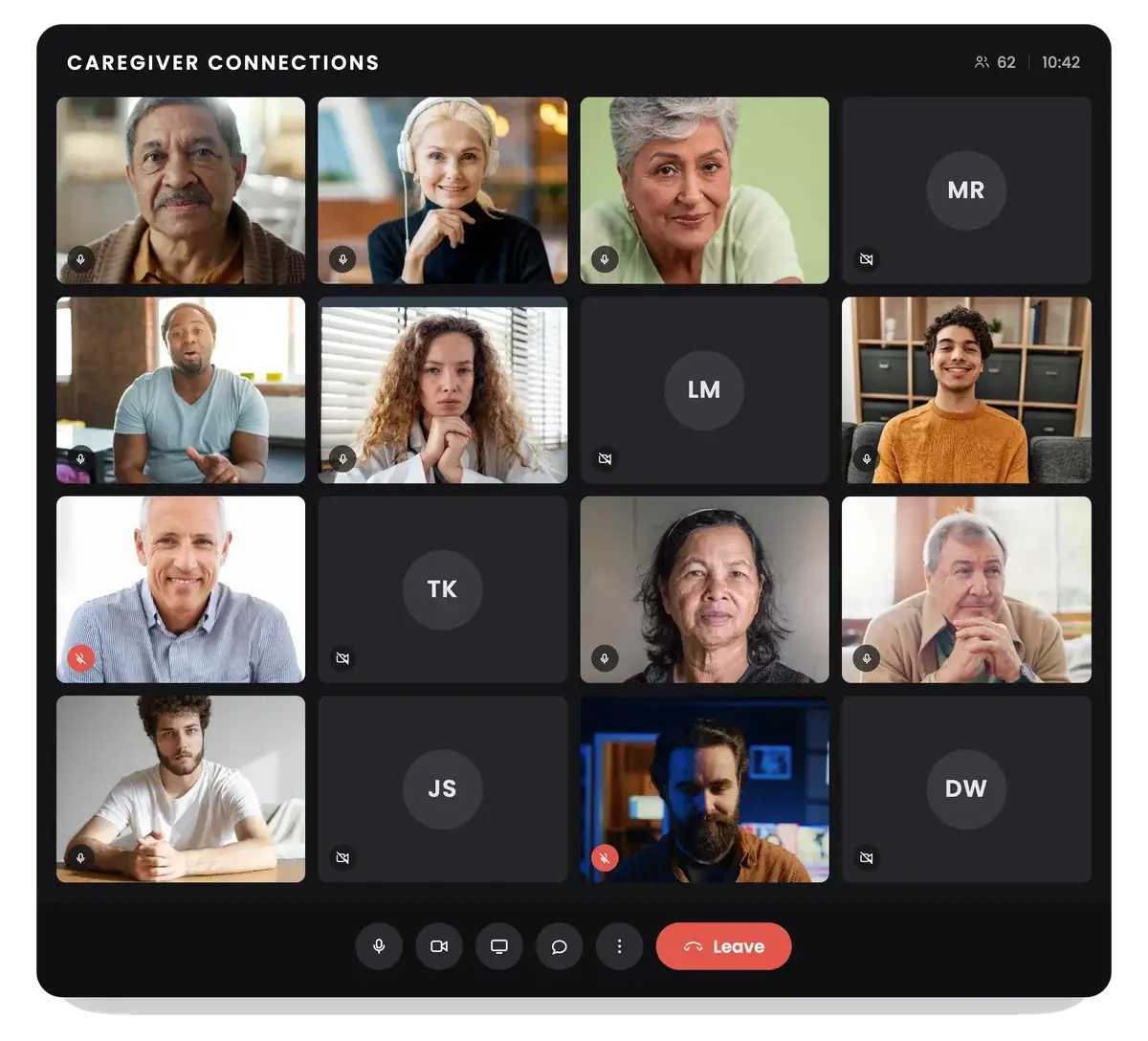
Always free
Camera off. Any name. Worldwide.
What is Caregiver Connections
A fellowship and lifestyle program for the people holding everything together.
Caregiver Connections is an international fellowship and trauma-informed lifestyle program for family caregivers — a peer-led program in the TAR Anon® family, adapted for the specific wound of giving your oxygen to someone else first, for years, often invisibly.
We are not a lecture, and we are not a place to trade war stories. We are a structured, witnessed space where you explore your own inner world — your nervous system, your grief, your identity outside the role, your growing capacity to trust yourself — in the company of people who understand, because they’ve carried it too.
Every meeting is free
Camera off, any name
Nothing recorded
Why it works
More than a support group.
A trauma-informed lifestyle program.
Plenty of spaces will let you talk about what you’re carrying.
Caregiver Connections is built to help you recover from it.
1
Steps written for this wound
Our Steps adapt TAR Anon’s twelve steps specifically for caregiver trauma. Most programs were built around the person with the diagnosis, or around single-event trauma. The wound left by years of relentless, unpredictable caregiving is different — and it needs a path built for it. Ours is.
2
We heal at the source
So much of what caregivers carry — anxiety, hypervigilance, the inability to rest, even physical illness — are responses to an unhealed wound. Caregiver Connections helps you treat the cause, not just the symptoms.
3
Healing happens in connection
You can’t think your way out of a wound that was made inside a relationship. That’s why the room itself, and the people in it, are the heart of how this works — especially for caregivers, whose isolation is often the deepest injury of all.
4
You re-parent yourself
Many of us have spent a lifetime giving the safety, validation, and care we never received. In Caregiver Connections, you begin to offer that to yourself — gently, and with guidance — until it becomes your own.
Relational trauma heals in relational space.
“We’re not treating the response. We’re treating the cause.”
— Jamie Huysman, PsyD, LCSW
Who this is for
Every caregiver in this universe shares one truth
They gave their oxygen to someone else first — often for years, often invisibly, and often without anyone ever asking how they are doing. Trauma-informed care for caregivers isn’t a niche. It’s a right.
01
Neurological and cognitive conditions
Dementia and Alzheimer’s — grieving someone who is still alive, day after day, as memory and personality dissolve. Among the highest-burden, highest-burnout caregiver populations that exist.
Parkinson’s, ALS, progressive disease — managing a body that is failing on a predictable but merciless timeline.
Traumatic brain injury — caring for someone who looks the same but is fundamentally changed; grieving a personality while the person is still in the room.
Caregivers of veterans — supporting combat-related PTSD, TBI, and moral injury, absorbing secondary trauma from stories they never lived themselves.
02
Physical health conditions
Chronic illness — spouses, parents, and adult children managing decades-long conditions: diabetes, autoimmune disease, kidney disease, MS, lupus, chronic pain, long COVID. Their trauma is the slow kind — no single crisis, just relentless erosion.
Terminal and end-of-life — carrying anticipatory grief alongside active caregiving, often for months or years before the loss actually happens.
Acute and critical events — thrust in overnight by stroke, injury, cardiac events, or ICU admissions. No time to prepare; the identity arrives as a shock.
Bereaved caregivers — whose caregiving has ended, but whose trauma, identity loss, and dysregulation continue. Often the most forgotten group of all.
03
Children with additional needs
Special needs parents — raising children with autism, Down syndrome, cerebral palsy, rare genetic disorders, or significant disabilities. Caregiving here has no retirement date; it recalibrates an entire lifetime.
Foster caregivers — opening their homes to children carrying someone else’s trauma, absorbing secondary trauma and systemic grief with every placement change.
Kinship caregivers — grandparents, aunts, uncles, and older siblings raising children when parents cannot, frequently without legal, financial, or emotional infrastructure.
Adoptive caregivers — parenting children who arrive already carrying adverse childhood experiences, navigating attachment repair alongside ordinary parenting.
04
Addiction and mental health
Caregivers of addicts and alcoholics — parents, partners, siblings, and adult children living inside the chaos of active substance use disorder: the boundary confusion, the hypervigilance, the enabling-versus-loving tightrope. This is TAR Anon’s home territory.
Serious mental illness — supporting a loved one with bipolar disorder, schizophrenia, severe depression, personality disorders, or suicidality. Frequently isolated by stigma, and by systems that treat the patient but forget the family.
Eating disorders and self-harm — a specific, high-vigilance form of caregiving that blends medical monitoring with emotional walking-on-eggshells.
The thread that connects every category
The diagnosis changes. The caregiver’s wound looks remarkably the same.
Regardless of diagnosis, age, or relationship, every caregiver shares the same underlying physiology and story — which is why one trauma-informed framework can hold all of them at once.
Chronic nervous-system dysregulation
Sustained fight / flight / freeze from unpredictable, ongoing stress (Polyvagal Theory, Porges).
Disenfranchised grief
Loss that isn’t socially recognised as loss — because the person is still alive, or because “caregiver” isn’t seen as a role that grieves.
Identity erosion
The self gradually subordinated to the role, until “who am I without this” becomes unanswerable.
ACE-adjacent exposure
Many caregivers are unknowingly re-living their own childhood adverse experiences through the caregiving relationship.
Compassion fatigue
Secondary and vicarious trauma — the cost of sustained empathy without replenishment.
Isolation
Friends and systems that show up for the person with the diagnosis, and quietly disappear from the person holding it all together.
Before you come
What a meeting feels like
01
You’re welcomed before anything is asked of you.
Every meeting opens slowly and gently, with a grounding moment to help everyone settle. If it’s your first time, you’re invited — never required — to say hello.
02
You’re witnessed, not analysed.
When you share, no one interrupts, corrects, advises, or tries to fix you. The question we hold is never “what’s wrong with you” — it’s “what happened to you.”
03
You share only if you want to.
Listening is enough. Many people spend their first weeks simply being present, and that is real recovery too.
04
Two trained mentors hold every meeting
— so the space stays safe, calm, and contained.
05
You leave grounded.
Meetings close the way they open: with a breath, a Promise, and a gentle goodbye. You take what you need and leave what you don’t.
Our founders & leadership
The people who brought this fellowship together
Jamie Huysman
See bio →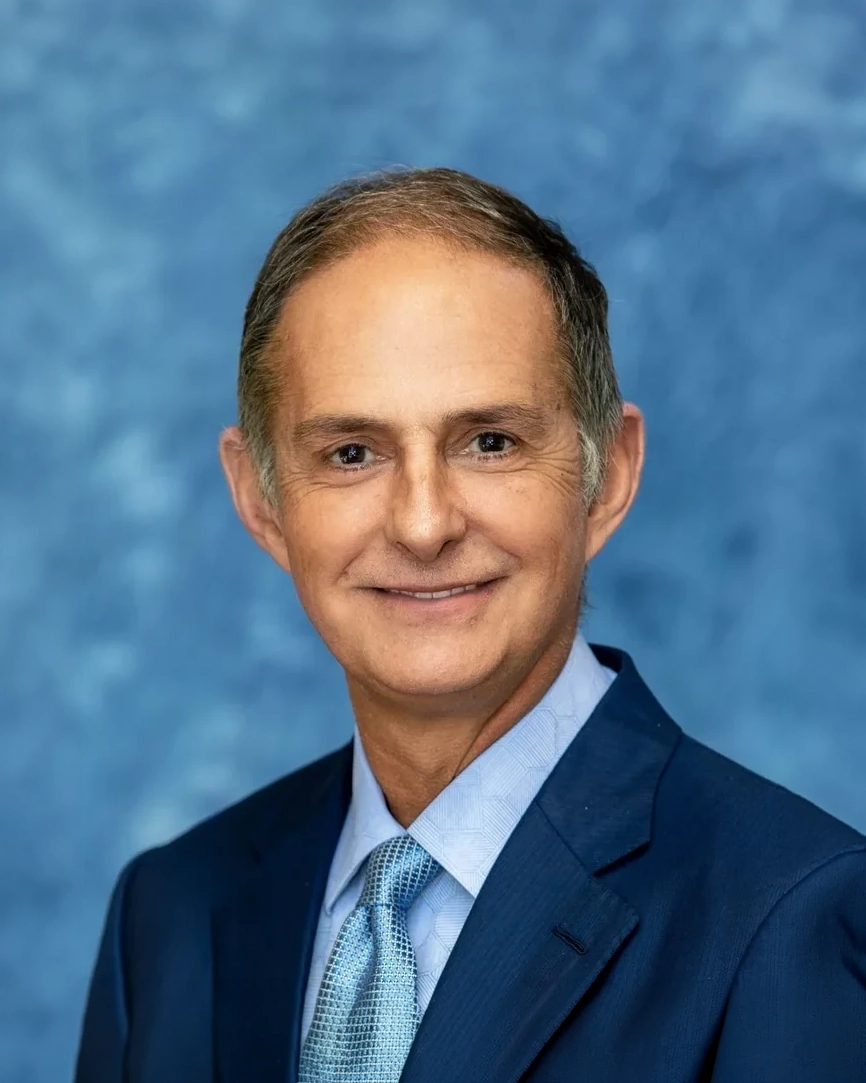
George Rapier III
See bio →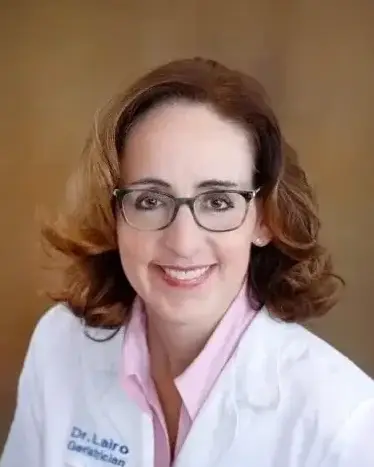
Rosemary Laird
See bio →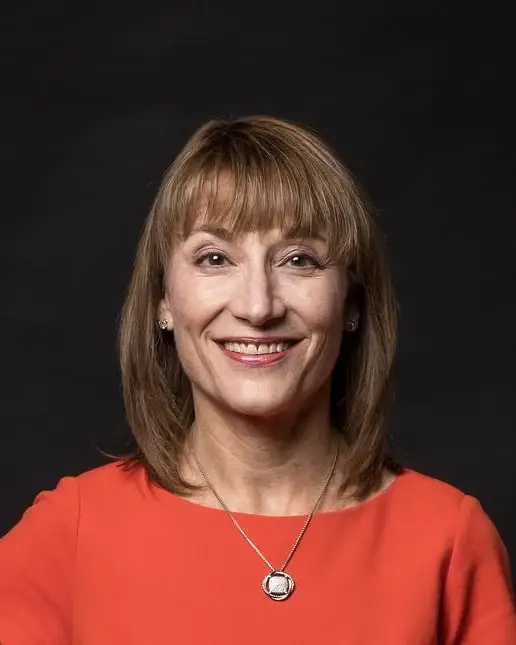
Carol Zernial
See bio →
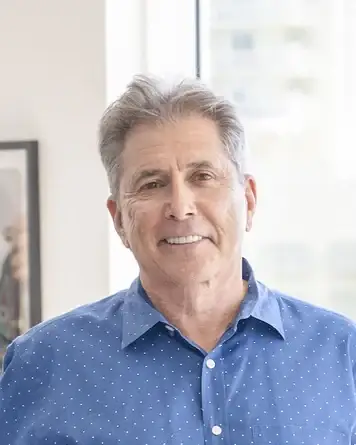
Jamie Huysman
A seasoned thought leader and social entrepreneur, Dr. Jamie has spent a 30-year career anchored in advocacy and celebrating the resilience of the human spirit. He coined the term TAR™ (Toxic Abusive Relationships) to give language to a universal experience that makes no sense at all — and, with an international team, founded STAR Network and its flagship program, TAR Anon®.
He co-authored the New York Times best seller Take Your Oxygen First, served as Chief Compassion Officer in the UnitedHealth system, and sits on the boards of the Florida Council on Aging, the Polyvagal Institute, and the CPTSD Foundation. He speaks openly about his own recovery — a survivor walking the same path he helps others find.
“There’s no way we can provide compassion to others until we as caregivers start doing it for ourselves. You can’t light up another person’s world if your bulb is out.”
George Rapier III
Dr. George Rapier III is an internal medicine physician who has practiced for four decades. He founded WellMed in San Antonio after watching how poorly older adults were cared for, and built it into a physician-led network serving hundreds of thousands of seniors across Texas and Florida. In 2009, Modern Physician named him Physician Entrepreneur of the Year.
In 2006 he established the WellMed Charitable Foundation, which he chairs, to support older adults and the family caregivers beside them — the home of Caregiver Teleconnection and Caregiver SOS. With his wife, Kym, he has given tens of millions to seniors, at-risk children, and people facing homelessness, and has more recently turned his focus to mental health.
“Both of my parents suffered needlessly because of incompetent, uncoordinated and improper medical care. My mission is to prevent that from happening to others.”
Rosemary Laird
Dr. Rosemary Laird is a Clinical Associate Professor of Geriatrics at the Florida State University School of Medicine and a recognized expert in diagnosing and caring for patients with Alzheimer’s disease. She spent 20 years as Medical Director for two state-designated Memory Disorder Clinics, was appointed by the governor of Florida to the state’s Alzheimer’s Disease Advisory Committee, and was named the American Geriatrics Society’s Geriatrician of the Year.
She is a passionate advocate for family caregivers, the founder of Navigating Aging Needs, and co-author of Take Your Oxygen First.
“Don’t forget the most often overlooked team members, the family caregivers. I’ve come to understand that I can’t fully care for my older patients without carefully and directly supporting their family caregivers.”
Carol Zernial
Carol Zernial is a nationally recognized gerontologist with more than 30 years in the field of aging and a master’s degree in social gerontology from the University of the Incarnate Word. Since 2009 she has led the WellMed Charitable Foundation, overseeing Caregiver SOS, the Caregiver Teleconnection, and the Stress-Busting Program for Family Caregivers, and she co-hosts the award-winning podcast Caregiver SOS on Air.
She is Past Chair of the National Council on Aging, co-chairs the federal RAISE Family Caregiving Advisory Council, and has served at three White House Conferences on Aging. Next Avenue named her one of the nation’s Top 50 Influencers in Aging, and she was named Texas’s Outstanding Professional in Aging in 2008.
“We don’t want to miss out on help that would allow us to continue to have a relationship with the person receiving care, because we have become only the caregiver and nothing else. We don’t want to lose ourselves.”
Find a meeting
Find a meeting that fits your week
Caregiver Connections meets three times a week — Monday, Wednesday and Friday — at different times of day, so you can find one that fits your time zone and come to as many as you need for your recovery. Each meeting lasts about an hour.
Nov
9
Monday
Our first meeting
Meetings begin Monday, November 9, 2026.
If you sign up before then, you’re registering for our very first meeting on November 9. From that day on, meetings run on the regular weekly schedule below, and you can join as many as you need.
Sign up for the meetings
Enter your email to choose your meetings, get helpful reminders, and receive our newsletter. You can unsubscribe anytime — and you never need to use your real name to attend.
✓ Always free, forever
✓ Unsubscribe anytime
✓ Your real name is never required
The work, and what it makes possible
The Steps and the Promises
Caregiver Connections follows a 12-Step path adapted from TAR Anon® for caregiver trauma, compassion fatigue, and CPTSD. The Steps are the work of recovery. The Promises are what that work makes possible — the life waiting on the other side of the fog.
The Steps
Following research-based protocols, the Steps bring caregivers together with trained Mentors to address dysregulation, set boundaries without guilt, name disenfranchised grief, and move steadily toward healing — at your own pace.
The Promises
The Promises are the positive outcomes recovery makes possible — a return to hope, functioning, and self-trust. They remind us, every step of the way, that healing is real.
Meet your guides
The people who hold the space
Fellowship mentors are not untrained volunteers. Every mentor has lived caregiving experience and at least two years of their own recovery, is supported by trauma-informed supervision, and is trained to hold meetings with skill, warmth, and safety.
Jamie Huysman
Founder & Exec. Director
Charlotte Smith
Lead mentor
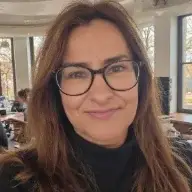
Rachel Alexander
Mentor
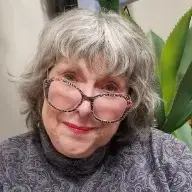
Susan Bredau
Mentor
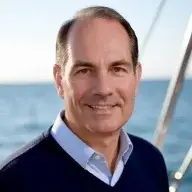
John Stenner Hamel, Jr.
Mentor
STAR Network’s All STAR Cruise 2027
Connection is part of the recovery.
Family caregivers are among the people who need connection the most, and often the ones with the least of it. Days are organized around someone else’s needs, friendships thin out, and isolation settles in. That solitude works against recovery.
So this year, STAR Network is welcoming family caregivers aboard the 2027 All STAR Cruise: time away, alongside a community that already understands what you carry.
Learn more about the cruise →Caregiver Connections meetings on board
Our fellowship meetings keep running at sea, so the rhythm of recovery comes with you.
A caregiver track
Workshops and sessions built for family caregivers, alongside the full cruise program.
Among people who understand
Sail with the wider STAR Network community of survivors, mentors, and fellow caregivers.
In partnership with
Bringing trauma-informed support to family caregivers across Texas, Florida and beyond.
In their words
Voices of our members
Reflections from caregivers walking the path of recovery, in their own words.
★
“I am so thankful for learning about the Caregiver Connections meetings. After eleven years caring for my husband, I had genuinely forgotten I was a person too. To sit in a room where everyone understands without needing the whole backstory — where no one says ‘you’re so strong’ and changes the subject — I cannot tell you how amazing it feels to be in a truly neuro-safe space.”
Jennifer P.
★
“I just want to say thanks. Your meetings have been such a lifeline for me, helping me work through guilt I never thought I’d be able to let go of. The peace I feel now is something I didn’t think was possible while still caregiving. Thank you for being there and for creating this space.”
Ryan P.
★
“Since joining Caregiver Connections, I’ve felt a kind of peace I honestly didn’t think was possible for me. My mother’s dementia hasn’t changed. What changed is that I am no longer carrying it alone, and someone finally called what I was feeling grief.”
Rachel A.
★
“I came in as a foster parent who thought I was just tired. I learned I was absorbing someone else’s trauma, and that there was a name for it — and a way through it. It’s incredible to feel supported, heard, and understood.”
Sasha S.
★
“OMG!!!!!! I was BLOWN away. My journey with Caregiver Connections has been an ongoing process of getting answers to questions I have sought for 30+ years.”
Arthur B.
Endorsements
Endorsed by leaders in trauma and recovery
“
Thank you to the STAR Network for providing the most essential aspect of mental health, which is addressing all of the trauma.
The Honorable Patrick J. Kennedy
Co-founder, The Kennedy Forum
“
I’m really thankful that your network is using what we’ve done. Most researchers never have their work get integrated to help people heal. It’s spread all around the world, and I’m glad that you can use it to help people heal.
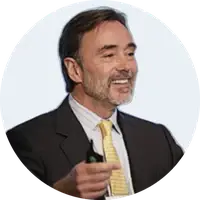
Robert F. Anda, MD, MS
Co-Principal Investigator, CDC-Kaiser ACE Study
“
When you match an activity to interest and abilities… you can improve quality of life, and you can reduce hospitalizations, and you can reduce caregiver burden and depression. So it’s a very powerful therapeutic tool.
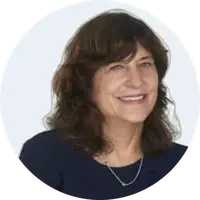
Laura N. Gitlin, PhD, FGSA, FAAN
Dean Emerita, Drexel University
“
As a geriatrician, I have watched caregivers decline faster than the people they care for. Medicine treats the patient. Caregiver Connections finally gives the caregiver a place to be cared for, and that is good medicine for the whole family.
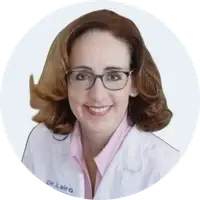
Rosemary Laird, MD, MHSA
Chief Medical Officer, Caregiver Connections
Founder, Navigating Aging Needs
“
For years I watched good programs compete for the same caregivers while the caregivers themselves got lost trying to find any of them. Caregiver Connections doesn’t add one more door. It gives people a single, safe place to start, a room of others who understand, and a way to the help that already exists.
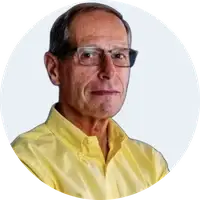
Thomas G. Bognanno
Chief Operating Officer, PACEs Connection
“
Our team can only run so many caregiver groups. Caregiver Connections gives us a place to send caregivers every week, and it fits right alongside what the WellMed Charitable Foundation already offers. For caregivers, it means there is always somewhere to turn.
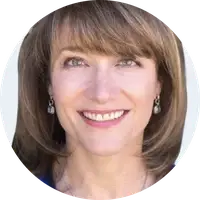
Carol Zernial, MA
Executive Director, WellMed Charitable Foundation
“
Families come to us in crisis, and the person holding everything together is usually the one no one is checking on. A free, trauma-informed fellowship that caregivers can join from home, any week they need it, fills a gap that clinical care alone cannot.
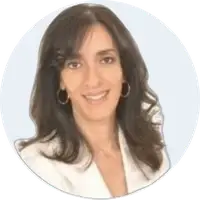
Maribel Quiala, LCSW
Vice President of Clinical Services, Odyssey Behavioral Healthcare
“
Every mentor I train has walked this road themselves. When a caregiver hears someone say ‘me too’ and mean it, something in them settles. That is where healing starts, and that is what our mentors are there to offer.
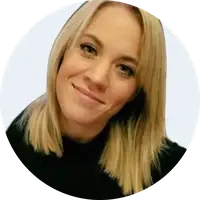
Charlotte Smith
Clinical Lead, STAR Network Peer Mentor Program
“
With combat veterans, I have seen that recovery happens in the company of people who have been there. Their spouses and parents deserve the same. Caregiver Connections brings that kind of peer connection to the families who care for the ones who served.
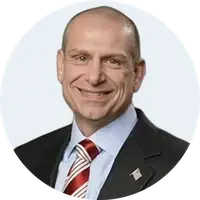
Joe DeAngelo
Board Director, Combat Marine Outdoors
“
When one person in a family is caring for another, the whole family is carrying it, often without anyone saying so. I have seen what happens to families when that weight goes unshared. Caregiver Connections gives caregivers a place to set it down for an hour, and families are stronger for it.
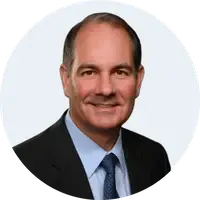
John S. Hamel, Jr.
President, Family Preservation Alliance
“
Adverse childhood experiences sit beneath so many of the hardest things families face, and caregivers carry them too. Caregiver Connections brings people together to heal, and that is where health, compassion, resilience and even joy begin.
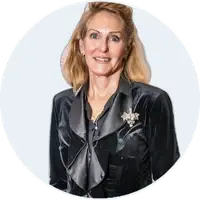
Carey Sipp, BA
Trauma Consultant and Author, The TurnAround Mom
Questions
Frequently asked questions
Are Caregiver Connections meetings really free?
Yes — and they always will be. Caregiver Connections is free of charge. (If you’re able, an optional “passing the hat” donation helps us keep healing accessible to others.)
Is this therapy?
No. Caregiver Connections is a peer recovery program, not therapy or counselling. Many members do both — the more tools in your toolbox, the better.
Do I have to talk?
Never. You’re welcome to listen for as long as you need. Listening is recovery too.
What if my caregiving doesn’t feel “serious enough”?
If it has cost you something, you belong here. Whatever the diagnosis in your family — dementia, addiction, disability, chronic illness, mental illness — the wound in the caregiver looks remarkably the same. This program is ultimately about your relationship with yourself.
What if my caregiving has already ended?
You are still welcome. Bereaved and former caregivers are often the most forgotten group of all — the trauma, identity loss, and dysregulation continue long after the caregiving stops.
What actually happens in a meeting?
A grounding open, a topic to explore, witnessed sharing (only if you wish), and a calm, grounded close. See “What a meeting feels like” above.
What is Caregiver Teleconnection?
It is a program of free, one-hour expert-led sessions on topics related to the care you provide, now offered inside Caregiver Connections in partnership with the WellMed Charitable Foundation. You can join by laptop, tablet or phone, and registration is handled by WellMed — see our Free Resources page.
Do I need a Zoom account?
No. You only need the Zoom app on your device — or you can phone in using the numbers in your reminder email.
Do I need to use my real name?
No. Use any name or pseudonym you like. Anonymity is part of what keeps this space safe.
Can I come if I can only stay part of the meeting?
Yes. Caregivers get interrupted — we know. Come for what you can, leave when you must, and come back next time.
I didn’t get the email — what do I do?
Check your spam folder, and add caregivers@ml.starnetwork.org to your contacts. Still stuck? Email caregivers@starnetwork.org and we’ll help you get in. (Please don’t mark our emails as spam — just reach out.)

Your healing can begin today.
Come exactly as you are. Stay for as long as you need. No one should carry it alone.
Find your first meetingIn crisis right now? Get immediate help — worldwide hotlines, opens in a new tab.